
Dental Health Resources for Caregivers
Elderly people may problems maintaining good oral healthcare routines. For example, arthritis can make it difficult for someone to hold a toothbrush. Those with dementia won't remember how to floss or brush their teeth. Caregivers must ensure that brushing and flossing continue at home and that the older person in their care continues to visit their dentist regularly.
Establish a Routine
People with dementia are reassured by a routine. Making brushing their teeth twice a day part of getting up in the morning or going to bed at night helps them, even if they can't verbalize these feelings.
- Playing a favorite song during oral care can help relax the patient and also gives them a sign of what is about to happen.
- Don't use more than a pea-sized bit of toothpaste.
- After brushing, the patient needs to swish out their mouths with either water or mouthwash.
Switch to a Power Toothbrush
An electric or battery-powered toothbrush can be easier for a person with grip issues to hold. They also require less force and dexterity for good tooth cleaning.
- People using power toothbrushes only have to glide the brush across their teeth for a thorough clean.
- Some vibrate or make a noise when it's time to move the brush from one side of the mouth to another.
- There are many different types of power toothbrushes. The patient's dentist will suggest the one they think works best.
Flossing
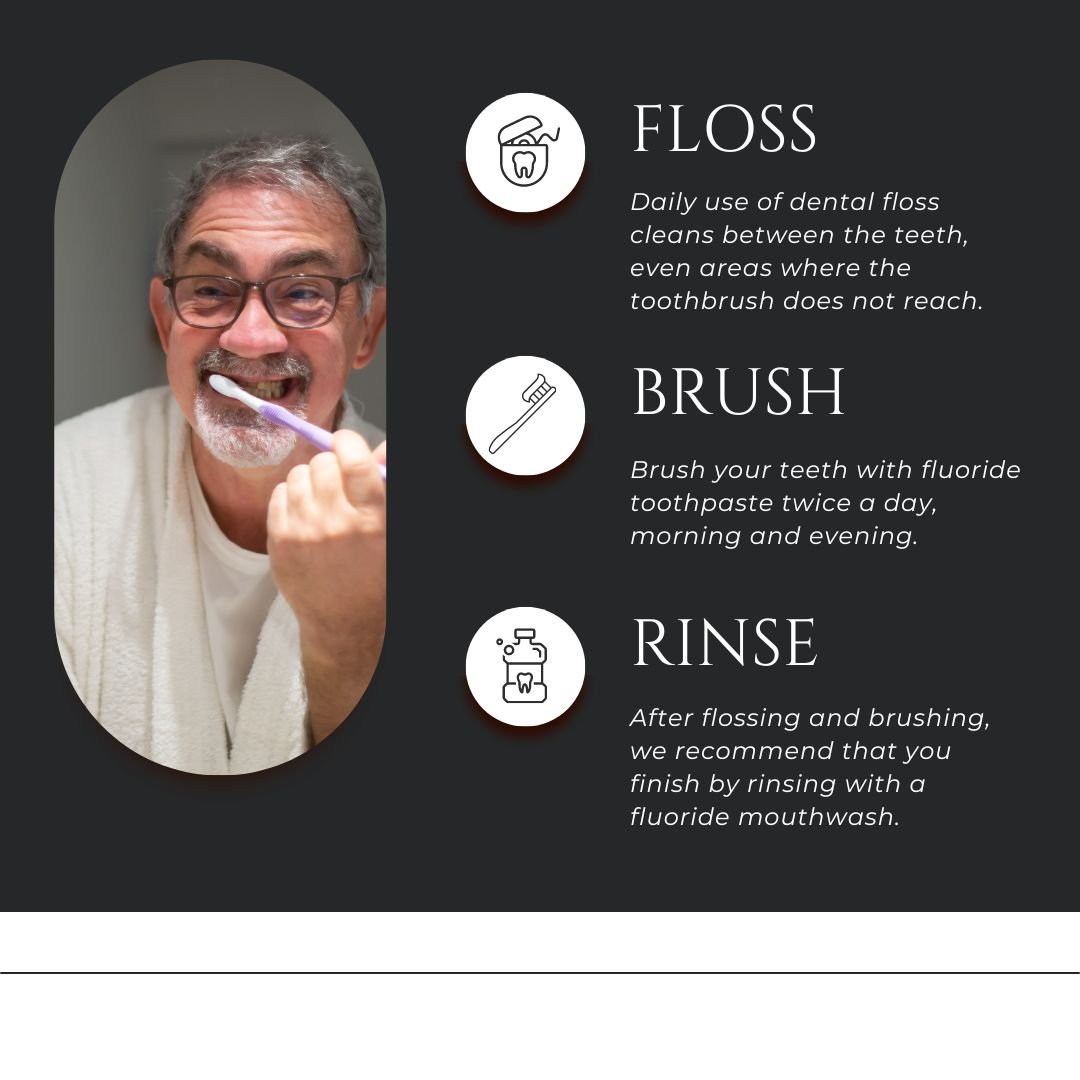
It's important that everyone floss at least once a day. Flossing can be even more difficult for someone with dexterity or memory issue than brushing.
- Some people who can't manage to floss independently can use a water pik or floss holder.
- Caregivers might be required to floss the teeth of some patients.
Denture Care
More than half of all elderly people wear either partial or full dentures. Just like regular teeth, dentures need daily care. Those with dementia might not be capable of caring for their own dentures.
- Help the patient remove and rinse the dentures after they eat.
- Dentures also need to be cleaned once a day. Most of the time this is done at night because very few dentures are designed for overnight wear.
- After the dentures are removed for cleaning, the patient still needs to brush, even if they don't have any natural teeth left.
- Clean the dentures according to the instructions from the dentist.
Effects of Diet and Medication
Medication and diet can also lead to worsening dental problems for the elderly. A diet high in acid or sugar can cause either tooth erosion or tooth decay. Some medications can cause dry mouth, which means the mouth isn't producing a sufficient amount of saliva.
- Make sure the dentist knows about all the medications a person takes.
- Dry mouth can be treated, and the dentist will have ideas.
- Reducing the amount of sugary or high-acid foods helps maintain the integrity of the teeth.
- Patients who eat these foods need to make sure they get regular cleanings at the dentist's office.
Additional Resources
- Oral Health Tips for Caregivers: Some dementia patients just need a reminder to brush and floss daily. Others need physical assistance.
- Dental Care: Some dementia patients are helped by watching their caregivers brush their own teeth.
- Tips for Caregivers: How to Suppor the Best Possible Dental Care?: Dementia patients living in their own homes have worst oral health than patients living in memory care units or care homes.
- Dental Care Tips & Hacks for Dementia & Caregivers: Caregivers should look for signs like the patient only using one side of their mouth to chew. This is a sign of dental pain and the patient should see a dentist as soon as possible.
- The Caregiver's Guide to Seniors and Oral Care: Seniors are already more likely than younger people to develop tooth decay and gum disease, and seniors with dementia are at even higher risk.
- Dental Care (for Dementia): For most people, it's an automatic action that doesn't require a lot of thought, but brushing teeth is actually a relatively complicated set of actions that must be performed in a certain order.
- Dental Care Tips for Caregivers: One reason why it's important to maintain good oral health for dementia patients is that it helps them maintain good eating habits.
- Healthy Smiles Make for Healthy Aging: 3 Lesser Known Risks of Poor Oral Care: Gum disease can quickly lead to pneumonia, which can be deadly to older adults.
- Caregivers: Don't Forget Senior Oral Care: A battery-operated toothbrush often does a better job and is more accessible for caregivers to use.
- What Your Mouth Says About Your Health: Dentists check for signs of oral cancer, which elderly people are more likely to develop.
- Dental Care Tips for Older Adults: As gums recede it's possible for the roots of teeth to become exposed and then begin rotting.
- Providing Dental Care for Older Adults in Long Term Care: Often, both paid caregivers and family members assuming the role are unaware of just how important dental care is for older adults.
- Steps to Take if Oral Care Is Challenging for Mom: Some medications cause dry mouth, which often leads to the worsening of other dental issues.
- Senior Dental Care: 7 Surprising Dangers of Poor Dental Health: It's important that dementia patients still make regular visits to the dentist.
- Dental Care for Older Adults: Some elderly people are physically incapable of holding a toothbrush.
Ready to book an appointment?
Book a consultation today or make an appointment using our convenient online appointment scheduler.
Book appointment

Enjoy the flexibility of paying through monthly payments.
CareCredit is a healthcare credit card designed for your health and wellness.
Learn more

A discount plan available to keep you and your family healthy.
Everyone is accepted and membership can include coverage for your family.
Learn more